Nature recovery and biodiversity

Enhancing nature and biodiversity in West Oxfordshire

West Oxfordshire is home to a rich natural environment, including rivers, woodlands, grasslands, and farmland habitats that support a wide range of wildlife. Protecting and restoring these habitats is essential for nature, climate resilience, and the wellbeing of our communities.

The Council manages a variety of green spaces across the district and works with partners, volunteers, and local communities to enhance biodiversity, improve habitat connectivity and support nature recovery. A map of the areas managed by the Council can be viewed here.

The Council owns and manages around 106 hectares of parks, fields, road verges and green spaces across the district.

Habitats and natural features across these sites have been reviewed, and Land Management Plans have been developed to improve how they are cared for. These plans guide the council’s grounds maintenance contractor, Ubico, in managing sites more sustainably.

Key enhancements include:

These actions help increase biodiversity while improving access to nature for residents.

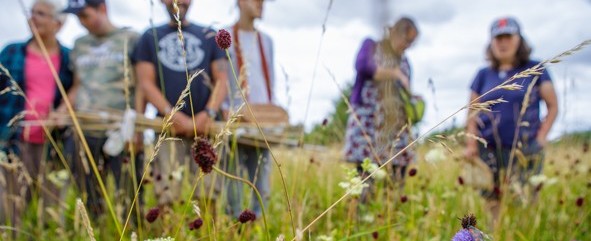
Local volunteers play an important role in managing and improving habitats across West Oxfordshire.

To find Climate and Nature Recovery volunteering opportunities across West Oxfordshire visit the Mycelium Map.

Kilkenny Lane Country Park Conservation Group

Regular volunteer sessions are held at Kilkenny Lane Country Park in Carterton to help enhance the site for wildlife and visitors.

Volunteer sessions take place on the last Wednesday of each month (10am – 12:30pm) and are led by the Council’s Nature Recovery Officers.

Activities include:

  • Hedgelaying
  • Litter picking
  • Removing tree guards
  • Wildlife surveying
  • Habitat improvement work

Equipment and guidance are provided – participants simply need to bring suitable outdoor clothing.

To join or find out more, email: ecology@westoxon.gov.uk.

Healthy natural habitats play a key role in tackling climate change and helping communities adapt to its impacts.

Improving habitats across the district can:

  • Improve habitat connectivity for wildlife
  • Support pollinators and biodiversity
  • Store carbon in trees, soils and vegetation
  • Reduce flood risk through natural water management
  • Provide cooling and shade during hotter summers
  • Improve habitat resilience to climate change

Nature-based solutions like tree planting, meadow creation and wetland restoration help both nature and communities become more resilient to climate change. You can learn more through the Council’s Nature Recovery Plan.

Wild Oxfordshire provides free guidance, advice and practical resources to help different groups take action for nature recovery and biodiversity across Oxfordshire. Support is tailored to the needs of communities, organisations and land managers, helping people identify practical steps to protect and enhance local habitats.

Support and guidance is available for:

  • Residents and community groups
  • Farmers and landowners
  • Businesses and workplaces
  • Schools and youth groups
  • Town and parish councils – Guide to nature recovery
  • Developers and planners

Topics include habitat creation, wildlife-friendly land management, pollinator support, biodiversity enhancement, community projects and practical actions to improve nature locally.

Find tailored guidance and resources through the Wild Oxfordshire Guidance pages.